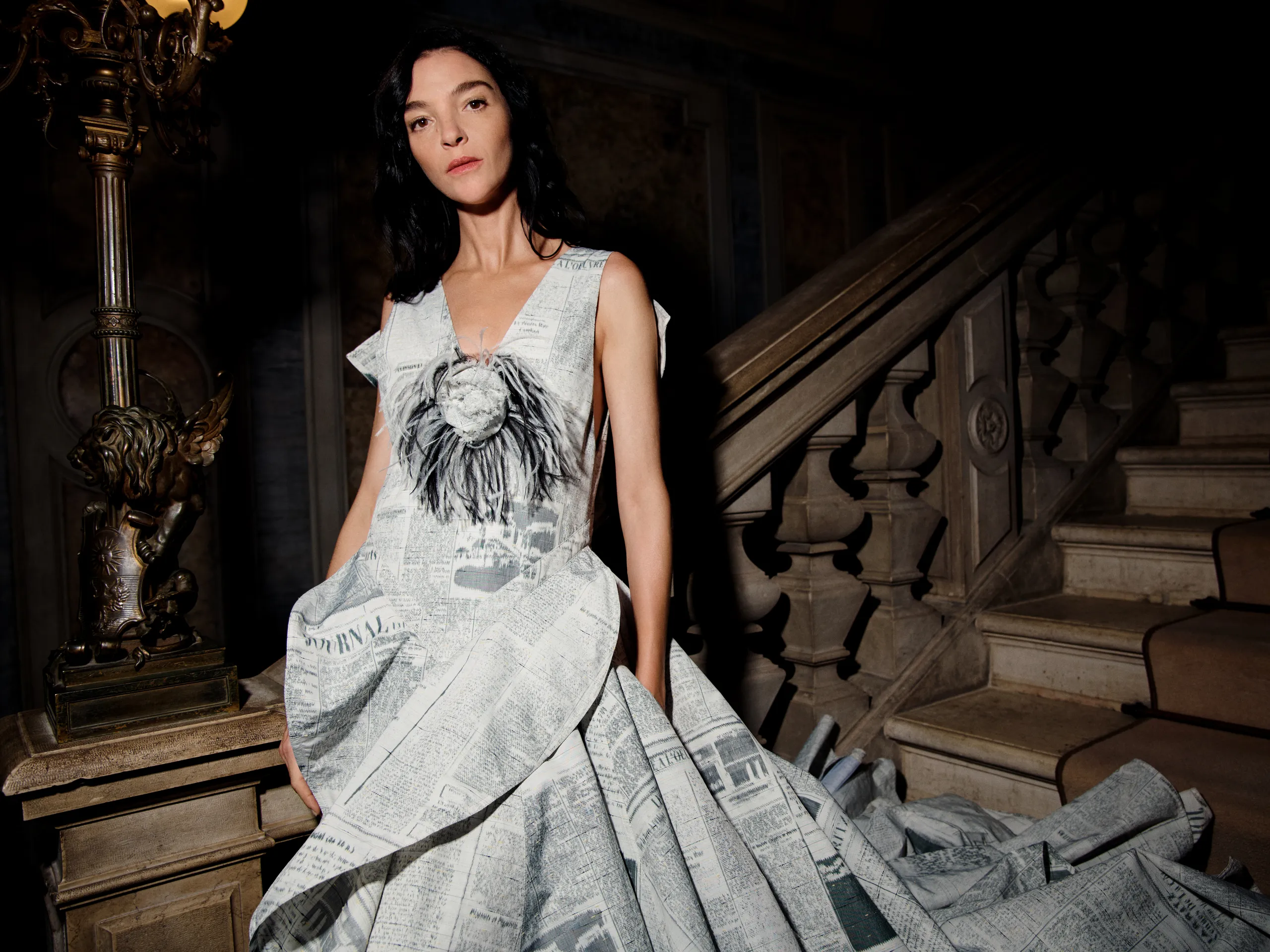
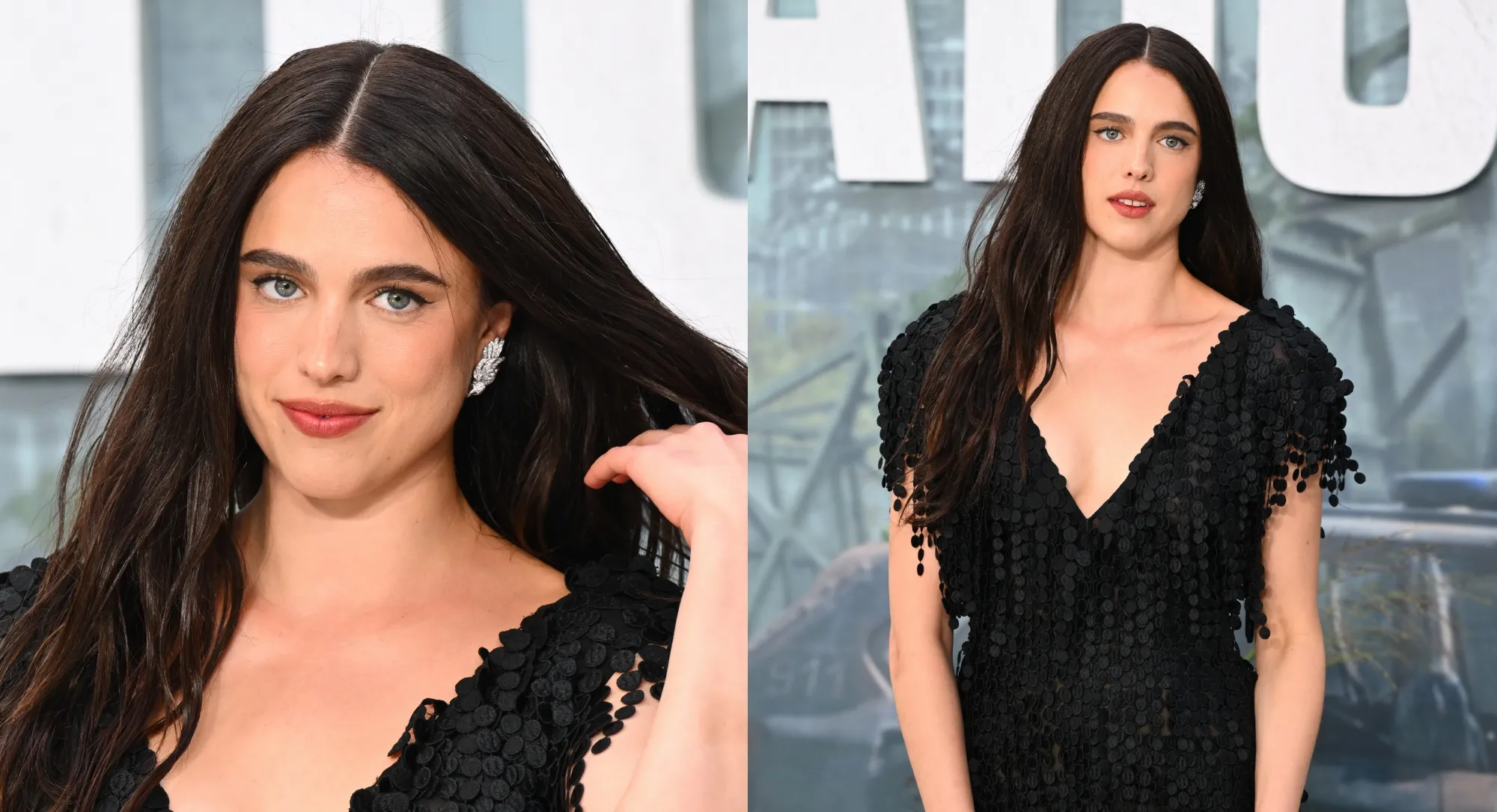
New York Fashion Week offered a dynamic look at American fashion for Spring/Summer 2027, with collections spanning sleek tailoring, sophisticated sportswear, dramatic eveningwear, and experimental design. Throughout Manhattan, established houses and emerging talents presented sharply different visions of the contemporary wardrobe.
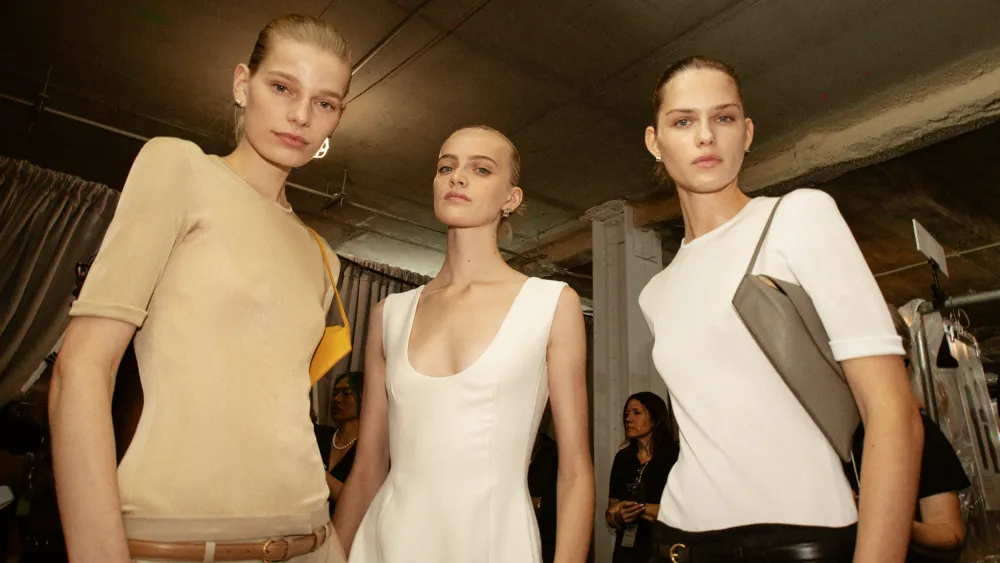
The September shows arrived with a sense of change, as designers revisited familiar New York signatures through new proportions, softer structures, rich textures, and striking embellishment. Traditional sportswear was elevated, tailoring became more relaxed, and classic American references were reinterpreted with a distinctly modern sensibility.
That variety was apparent from the opening days. Rachel Comey, Cult Gaia, and Coach each explored contemporary sportswear in their own way, while Coach celebrated its 85th anniversary by looking back at key elements of its heritage and translating them into a more current language.
Diane von Furstenberg also returned to the official New York Fashion Week schedule after an extended absence. The presentation marked a fresh chapter for the label, with Henry Zankov making his debut as creative director.
Across the calendar, femininity took numerous forms. Daniella Kallmeyer, Anna Sui, Kate Barton, Sandy Liang, and Rachel Scott of Proenza Schouler explored everything from romantic and youthful dressing to sharper, more sophisticated silhouettes.
Glamour remained an important part of the season as well. Carolina Herrera, Thom Browne, Jonathan Simkhai, and Michael Kors delivered polished interpretations of eveningwear, while Terrence Zhou, Jane Wade, Christian Juul Nielsen, and Lorena Pipenco pushed toward more conceptual territory with sculptural designs, unconventional fabrics, and exaggerated proportions.
This contrast is central to New York’s fashion identity. The city does not rely on one particular aesthetic, instead creating space for classicism and experimentation, minimalism and extravagance, practicality and fantasy.
Four collections captured that diversity especially well: Ralph Lauren, Tommy Hilfiger, Tory Burch, and Calvin Klein.
Ralph Lauren
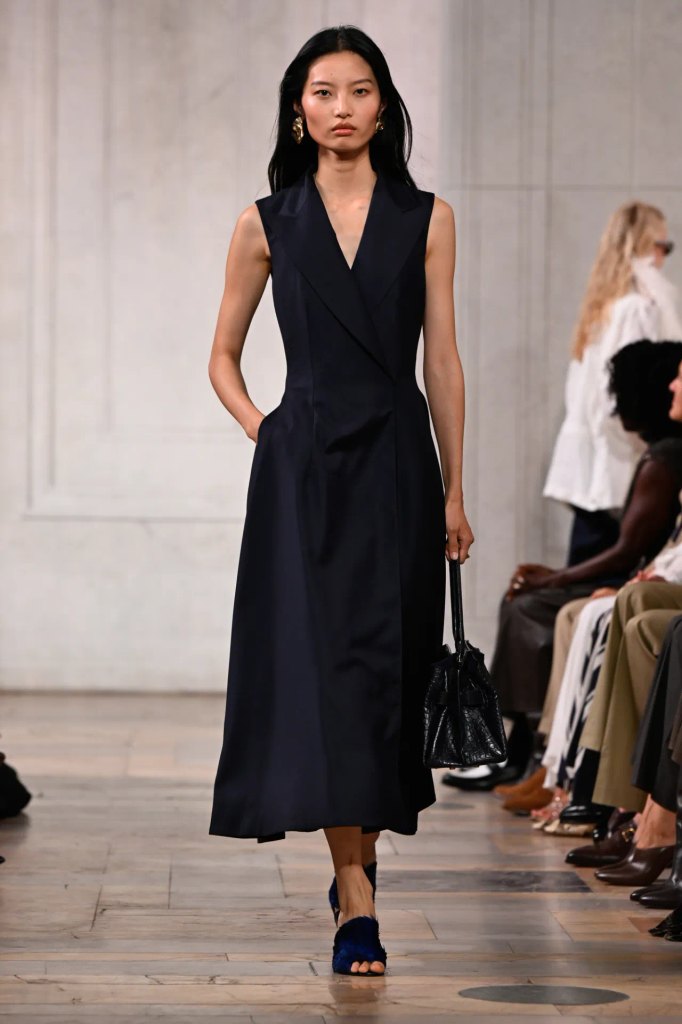
Ralph Lauren turned to the romance of vintage glamour while remaining rooted in the codes of American fashion for Spring/Summer 2027.
The collection paired polished tailoring with more elaborate, statement-making pieces. Structured jackets, tailored trousers, and sophisticated outerwear created a familiar foundation, while embellishment and fluid fabrics introduced a more dramatic mood.
Beaded and fringed tops evoked the spirit of the flapper era, while flowing silk skirts shimmered in golden tones. Denim was elevated with intricate jacquard work, and fur stoles added another layer of retro sophistication.
Even at its most glamorous, however, the collection retained Lauren’s characteristic sense of ease. The clothes felt luxurious without becoming overly formal, preserving the relaxed confidence that defines his approach to American dressing.
The result was an elegant blend of nostalgia, romance, and unmistakable Ralph Lauren glamour.
Tommy Hilfiger
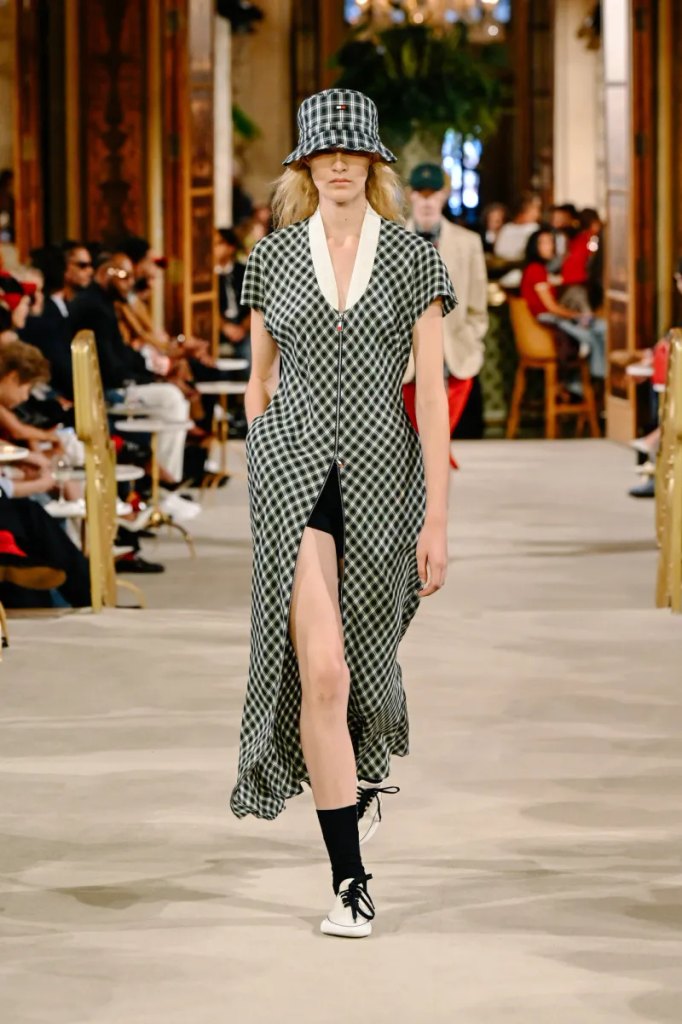
Tommy Hilfiger brought a refreshed interpretation of American prep to The Plaza Hotel, presenting familiar wardrobe staples through deliberately exaggerated proportions.
Blazers, trousers, and tailored separates were enlarged and loosened, creating an easy silhouette that borrowed from traditionally masculine dressing. Sporty shades added a youthful edge, while fitted knit dresses introduced a more defined, feminine counterpoint.
The collection played with the tension between oversized and fitted pieces, giving traditional prep a more relaxed and contemporary attitude.
Rather than simply revisiting the past, Hilfiger adapted the codes of American preppy style for the present. The result felt casual, youthful, and closely connected to the energy of New York.
Tory Burch
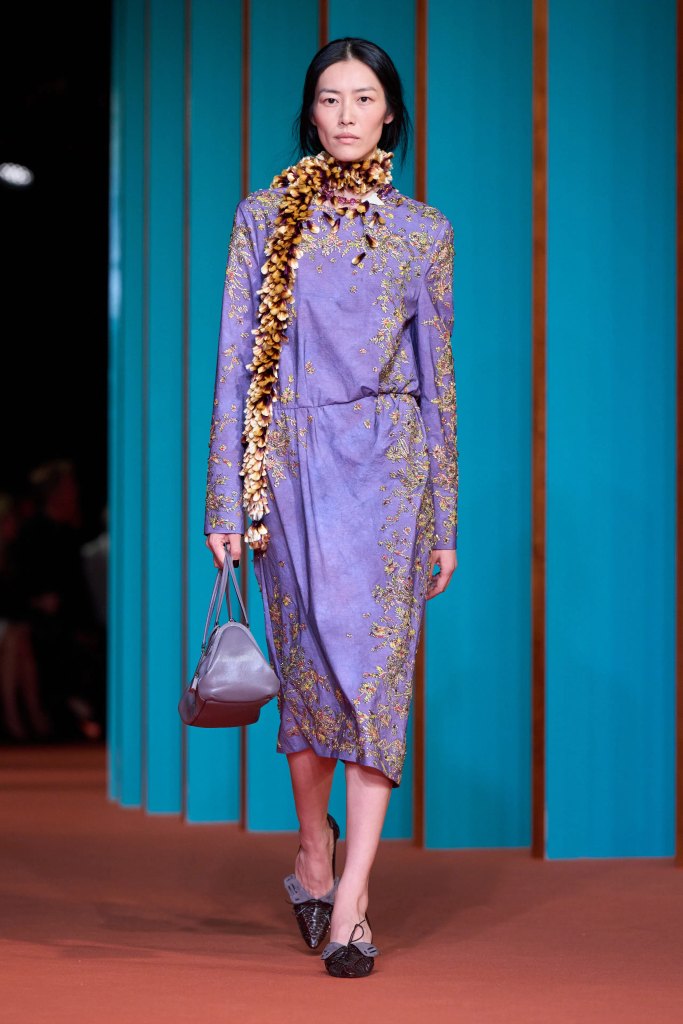
Tory Burch brought an upbeat, decorative sensibility to Spring 2027, giving familiar wardrobe pieces a fresh identity through color and intricate detailing.
Embellished cardigans, statement chains, rich jewel tones, and floral-inspired accents appeared throughout the collection. These elements added personality without taking away from the clothes’ practical appeal.
Burch treated femininity with a sense of freedom rather than strict polish. Texture, ornamentation, and unexpected combinations allowed the collection to feel expressive and playful.
The appeal came from the balance between functionality and fantasy. Everyday pieces were elevated through carefully considered details, proving that practical dressing can still feel imaginative.
Calvin Klein
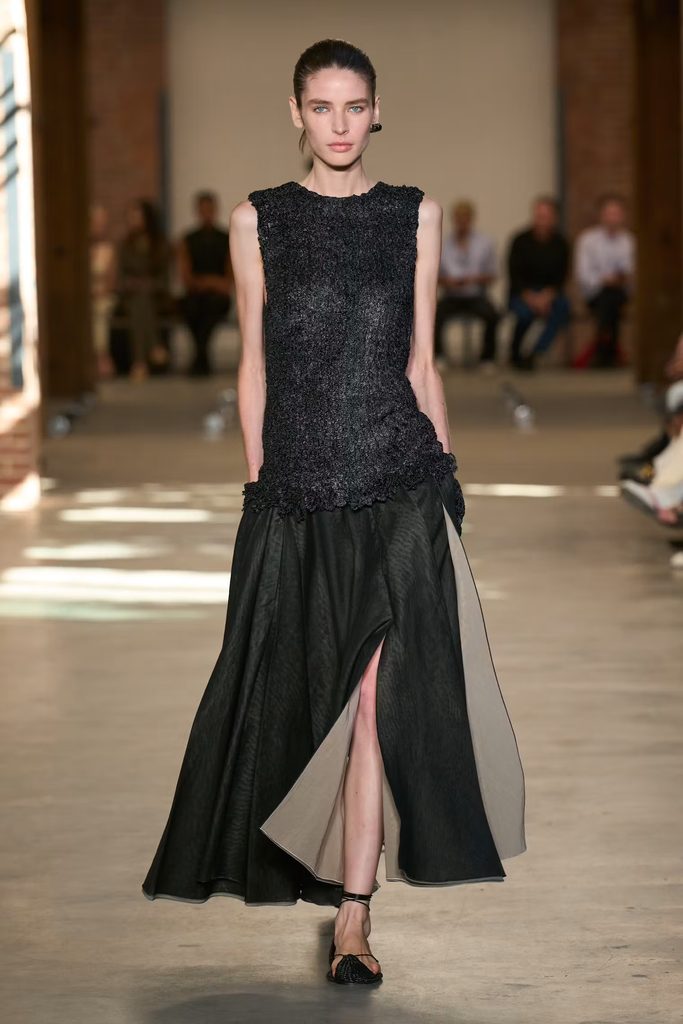
Veronica Leoni offered one of the season’s most restrained perspectives at Calvin Klein, reconnecting the house with its minimalist heritage.
For Spring/Summer 2027, she looked to the clean sophistication of the 1990s, using streamlined silhouettes and precise tailoring that recalled the understated style associated with Carolyn Bessette-Kennedy.
Instead of relying on embellishment, Leoni made proportion and construction the focus. Clean lines and carefully shaped garments created impact through simplicity rather than excess.
That restraint stood out against the more decorative collections elsewhere on the schedule. Calvin Klein demonstrated that minimalism can remain compelling when every cut, seam, and proportion has purpose.
Ralph Lauren, Tommy Hilfiger, Tory Burch, and Calvin Klein ultimately represented four distinct approaches to American fashion. Lauren embraced romantic heritage, Hilfiger reinvented classic prep, Burch introduced playful luxury to everyday dressing, and Calvin Klein returned to refined minimalism.
Together, they reflected the broader spirit of New York Fashion Week: diverse, constantly evolving, and open to contradiction. For Spring/Summer 2027, the city once again showed that American fashion is at its most interesting when tradition and innovation are given equal room to shape the future.