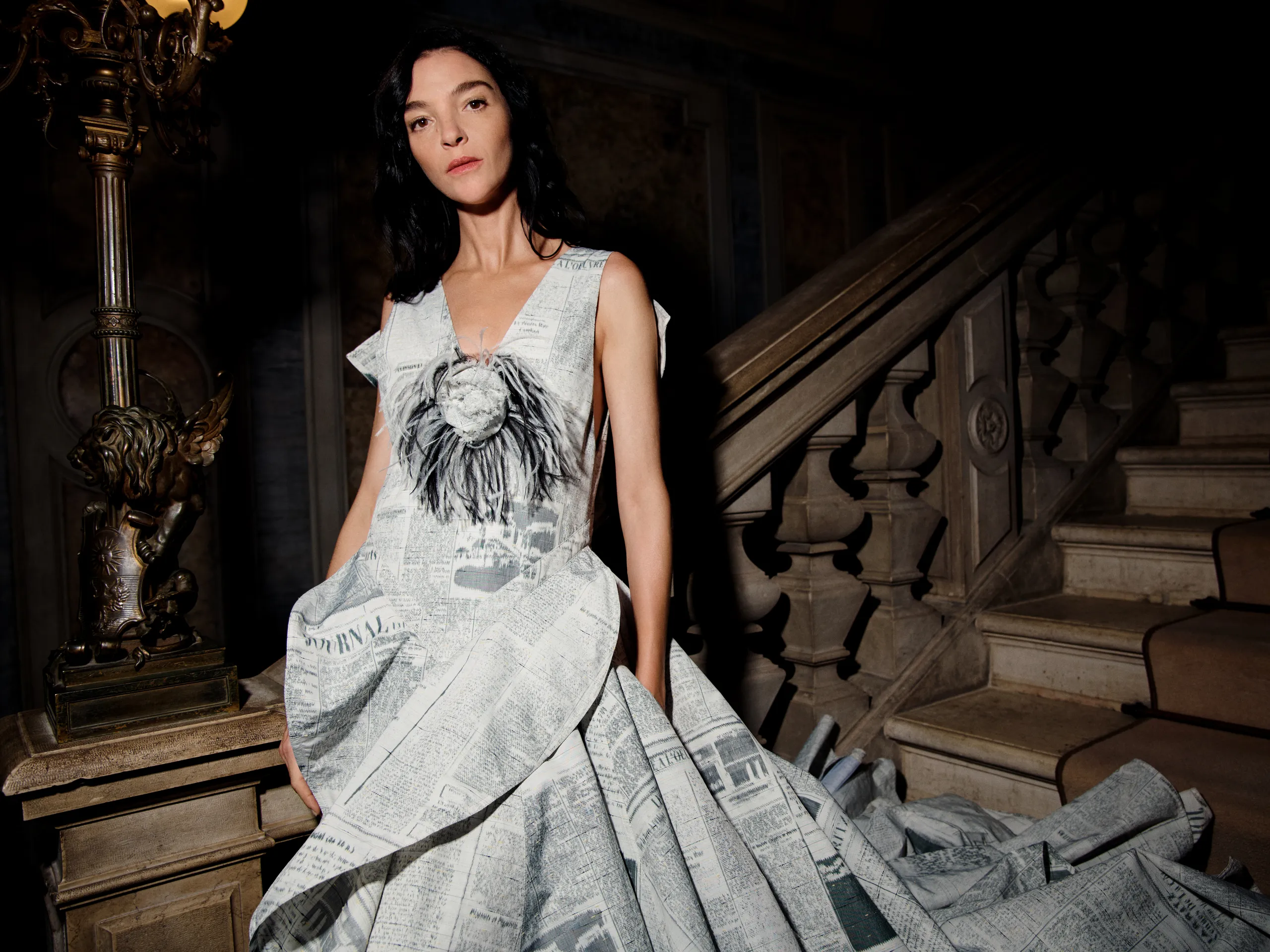
Trying not to let this become a full-on Rihanna and Zendaya tribute.

The Met Gala has long been fashion’s most spectacular stage—a place where style transcends trends and transforms into storytelling, art, and cultural expression. Officially the annual fundraiser for the Costume Institute at The Metropolitan Museum of Art, the event began in 1948 as a modest society dinner. Today, it stands as one of the most anticipated nights in global fashion, bringing together celebrities, designers, and creatives to interpret each year’s theme with bold imagination.
Over the decades, the Met Gala has become a living archive of daring fashion. Each theme challenges attendees to go beyond expectations, resulting in unforgettable looks that reflect both personal identity and the cultural mood of the moment. From timeless elegance to boundary-pushing avant-garde, the red carpet—better known as the Met steps—has evolved into a stage where fashion history is written in real time.
RIHANNA, 2025

In recent years, Rihanna has firmly established herself as the defining Met Gala icon, and her 2025 appearance only strengthened that legacy. Wearing a custom design by Marc Jacobs, she reimagined menswear through a bold, feminine perspective. The look featured a cropped Spencer jacket, a sharply tailored pinstripe skirt with a bustle, and a striking hat by Stephen Jones. It was a powerful fashion moment that once again highlighted her ability to blend high fashion with personal storytelling—especially as she continues to redefine maternity style.
LADY GAGA, 2019

Few Met Gala appearances have matched the theatrical impact of Lady Gaga in 2019. Fully embracing the theme “Camp: Notes on Fashion,” she turned her arrival into a live performance. Beginning in a dramatic fuchsia gown by Brandon Maxwell, Gaga revealed multiple outfit changes on the carpet, each more daring than the last. By the final reveal, the look transformed into a playful, exaggerated finale complete with props and bold poses. It wasn’t just fashion—it was performance art.
ZENDAYA, 2017

As individuality became central to the Gala’s identity, Zendaya emerged as one of its most consistent standouts. Her 2017 look proved exactly why. Wearing a vibrant Dolce & Gabbana ball gown with tropical parrot prints, she brought energy, color, and personality to the carpet. The look was a reminder that Met Gala fashion goes beyond aesthetics—it’s about presence and storytelling.
TAYLOR SWIFT, 2014

For Taylor Swift, the 2014 Met Gala marked the realization of a long-held dream. Dressed in a custom gown by Oscar de la Renta, she stepped onto the carpet in a soft blush design that radiated elegance and romance. More than just a fashion moment, it represented a personal milestone that brought one of her aspirations to life.
ANNE HATHAWAY, 2010

One of the most compelling aspects of the Met Gala is its ability to capture transformation. Anne Hathaway demonstrated this beautifully in 2010. Attending the “American Woman: Fashioning a National Identity” exhibition, she wore a shimmering Valentino gown that balanced delicacy with sophistication. The airy tulle and subtle sparkle created a look that felt both timeless and cinematic, reinforcing her place as a modern style icon.
What makes the Met Gala so captivating is its balance between tradition and reinvention. Themes like “Rock Style” in 1999 or “China: Through the Looking Glass” in 2015 have inspired interpretations that range from literal to highly imaginative. Each attendee brings a unique vision, resulting in a rich and diverse tapestry of fashion.
Looking ahead, the 2026 theme, “Costume Art,” promises to continue this legacy of innovation. If history is any indication, guests will once again blur the lines between fashion, sculpture, and storytelling. These are the moments that define the Met Gala—when designers and celebrities collaborate to create something entirely new, yet deeply connected to cultural narratives.
Beyond the looks themselves, the event has become a symbol of exclusivity and influence. Invitations remain scarce, and the guest list is carefully curated, often under the direction of Anna Wintour. Her vision has helped shape the Gala into a global spectacle that extends far beyond the fashion industry.
In the age of social media, the Met Gala’s reach has expanded dramatically. What was once a private gathering is now instantly shared worldwide, with every look analyzed, celebrated, and debated in real time. It has evolved into a global cultural conversation that blends fashion, storytelling, and digital engagement.
The “63 unforgettable looks” that define Met Gala history stand out not only for their visual impact but for what they represent. Each captures a moment—an idea, an emotion, or a cultural shift. From understated elegance to bold theatricality, these looks collectively shape the evolving narrative of fashion.
At its core, the Met Gala thrives on risk-taking. It encourages attendees to push beyond expectations and embrace creativity in its most expressive form. That spirit of experimentation is what keeps the event relevant, producing moments that resonate long after the night ends.
As the next Met Gala approaches, one thing remains certain: the Met steps will once again become the ultimate stage for imagination, where fashion’s biggest names gather to inspire, captivate, and redefine the boundaries of style.