Where heritage craftsmanship meets the rhythm of city life.

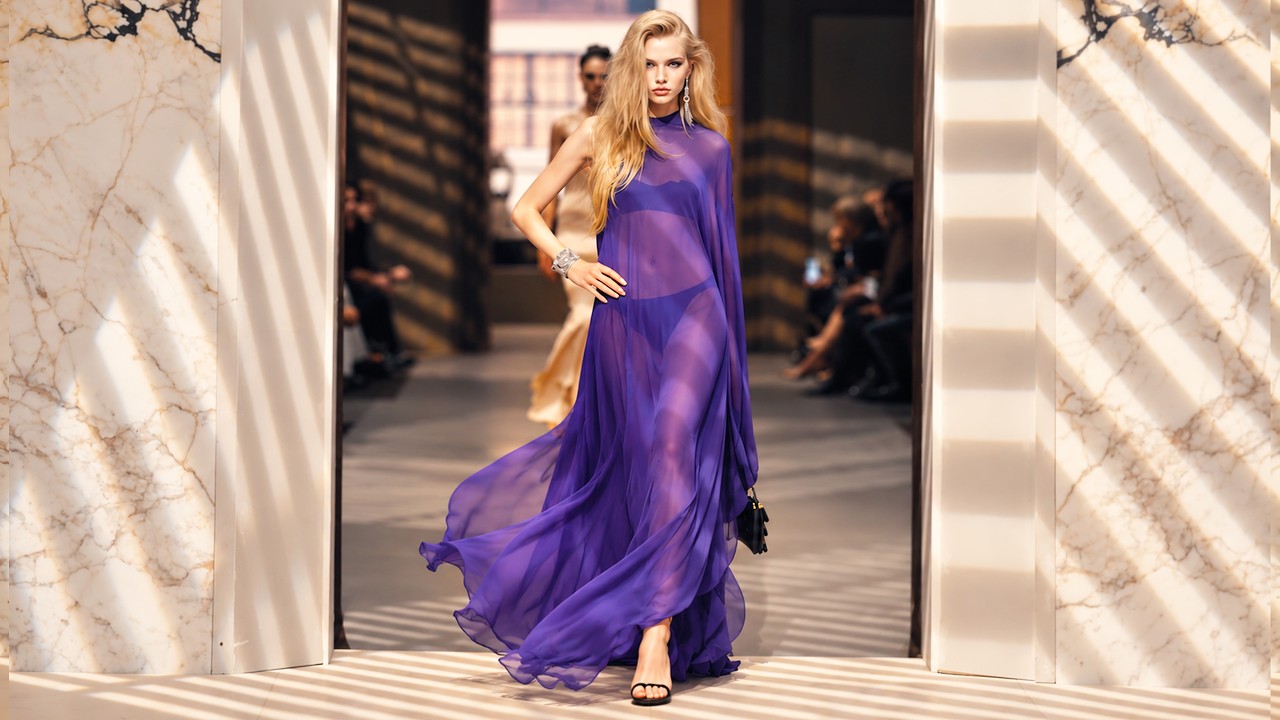
Chanel’s Pre-Fall 2026–2027 collection offered a masterful demonstration of how tradition can harmonize with contemporary urban living. Under the creative direction of Matthieu Blazy, the house presented its Métiers d’Art show in a decommissioned subway station in New York City—a bold, unconventional choice that reimagined the runway experience. This setting transformed an ordinary environment into a stage for luxury, signaling that high fashion can be both aspirational and grounded in the realities of daily life.
Métiers d’Art shows have historically celebrated Chanel’s artisan network, showcasing intricate fabrics, embroidery, and finishing techniques that define the house’s identity. This season, Blazy extended this narrative to explore the intersection of craftsmanship and city living. Models emerged from a subway car, walking along the platform as if commuting, turning a mundane routine into an expression of modern elegance. This theatrical yet relatable presentation highlighted fashion as an integral part of the world outside exclusive salons, bridging the gap between haute couture and everyday experience.

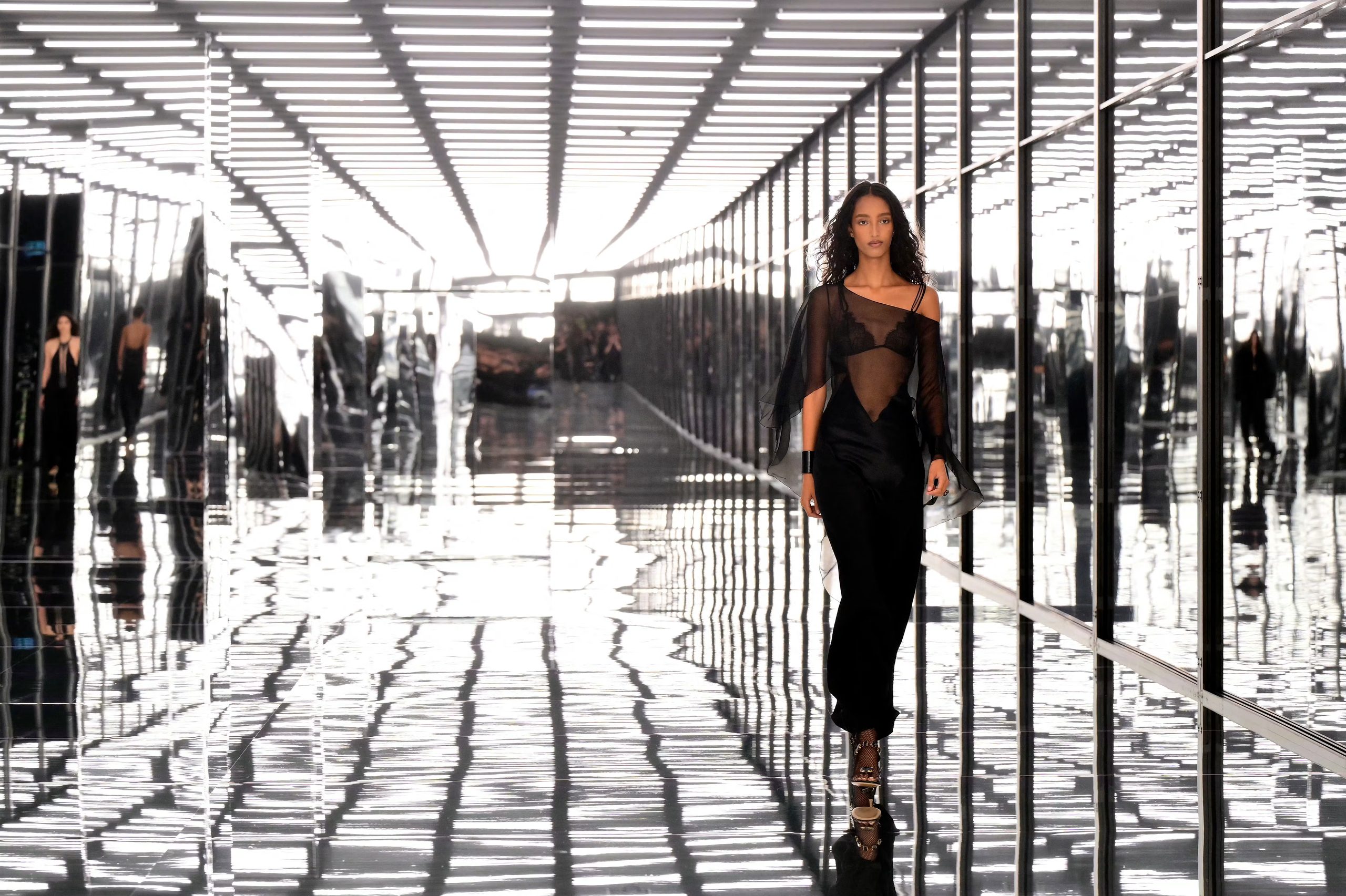
The industrial surroundings amplified the collection’s impact. Concrete walls, steel beams, and worn tiles formed a striking contrast with Chanel’s meticulous tailoring, refined fabrics, and detailed embellishments. Far from overshadowing the garments, the raw architecture highlighted their sophistication, proving that luxury is not dependent on ornate spaces—it is defined by precision, quality, and vision.
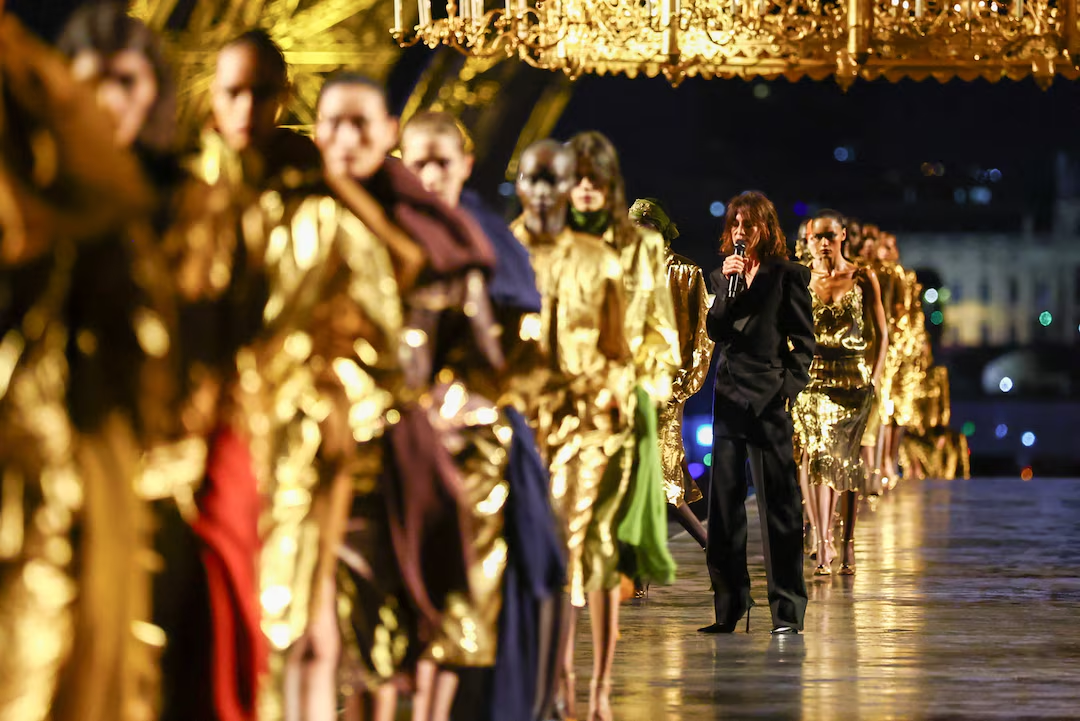
The audience mirrored the city’s energy. Fashion insiders, celebrities, and cultural influencers gathered on the platform, blending excitement and style in a way that mirrored the collection’s ethos. The show felt less like a staged spectacle and more like a cultural event, one that acknowledged the vibrancy, unpredictability, and interconnectedness of urban life. By embedding its designs in a familiar setting, Chanel invited viewers to experience fashion as part of a living, moving city.
At the core of the collection was a contemporary reinterpretation of Chanel’s most iconic elements. Tweed and bouclé, fabrics inseparable from the house’s heritage, were refreshed in silhouettes that married structure with ease. Bouclé plaid emerged as a prominent motif, particularly in outerwear that balanced classic refinement with modern fluidity. These designs demonstrated that heritage is not static but adaptable, maintaining tradition while responding to the needs of today’s wearer.

Movement and texture were central to Blazy’s vision. Fringe appeared across skirts, coats, and dresses, adding playful motion to tailored silhouettes. These elements mirrored the flow and pace of urban life, suggesting garments designed to move naturally with the wearer rather than remain static. This interplay of structure and motion reinforced a key message: luxury should accommodate the wearer’s lifestyle, not constrain it.
Wearability remained a defining focus. Blazy incorporated casual staples such as oversized T-shirts, half-zip pullovers, relaxed denim, and pleated trousers alongside structured, iconic pieces. When styled with accessories or layered with tailored outerwear, these everyday garments were elevated to refined, aspirational levels. The collection communicated that practicality and luxury can coexist seamlessly, offering a wardrobe that is both relatable and sophisticated.
Animal prints provided bold, energetic accents throughout the collection. Leopard, zebra, and tiger motifs appeared on coats, dresses, and tailored ensembles, reinterpreted through Chanel’s precise craftsmanship. The prints added expressive personality while maintaining an elegant balance, demonstrating Blazy’s ability to introduce audacity without compromising refinement. These motifs further underscored the collection’s balance of tradition and contemporary flair.
Footwear and outerwear echoed this approach, blending heritage with modern reinterpretation. Chanel’s signature cap-toe shoes were updated with pointed toes, V-shaped cuts, and T-strap details, giving a classic silhouette a fresh edge. Leather trench coats emerged as anchors of the collection, ranging from moto-inspired cuts to sleek, elongated designs. These pieces demonstrated Blazy’s skill at merging contrasting influences into a cohesive and versatile wardrobe.
Versatility was a central principle. Blazy designed garments to move effortlessly between different moments of modern life. Tweed was softened and reshaped for casual wear, while structured jackets were paired with oversized sweaters and relaxed trousers. This approach dissolved the boundaries between formal luxury and everyday functionality, creating a collection that is both aspirational and usable in daily contexts.
The interplay between structured tailoring and relaxed separates defined the collection’s tone. Oversized knits, flowing trousers, and loose silhouettes coexisted with sharply cut jackets and skirts, forming a cohesive and adaptable wardrobe. Luxury here was not measured by extravagance but by quality, intention, and emotional resonance, reflecting a nuanced understanding of contemporary style.

In many ways, the Pre-Fall 2026–2027 collection acted as a bridge between Chanel’s heritage and its future. Signature fabrics, artisan techniques, and timeless silhouettes were honored, while Blazy’s vision embraced urban movement, individuality, and comfort. The collection acknowledged how modern wearers navigate city life, balancing tradition with versatility and personal expression.
The subway setting served as a potent metaphor. Just as public transit connects countless people every day, Chanel’s designs extend beyond traditional luxury spaces, integrating into the fabric of daily life. The Pre-Fall collection reaffirmed the maison’s ability to honor its legacy while innovating for the present, offering a vision of luxury that is elegant, practical, and entirely attuned to the pace of modern existence.
By blending heritage craftsmanship with urban sensibilities and wearable sophistication, Chanel’s Pre-Fall 2026–2027 Métiers d’Art collection reaffirmed its position as a maison capable of evolving while remaining true to its identity—a reminder that luxury can thrive wherever life moves.