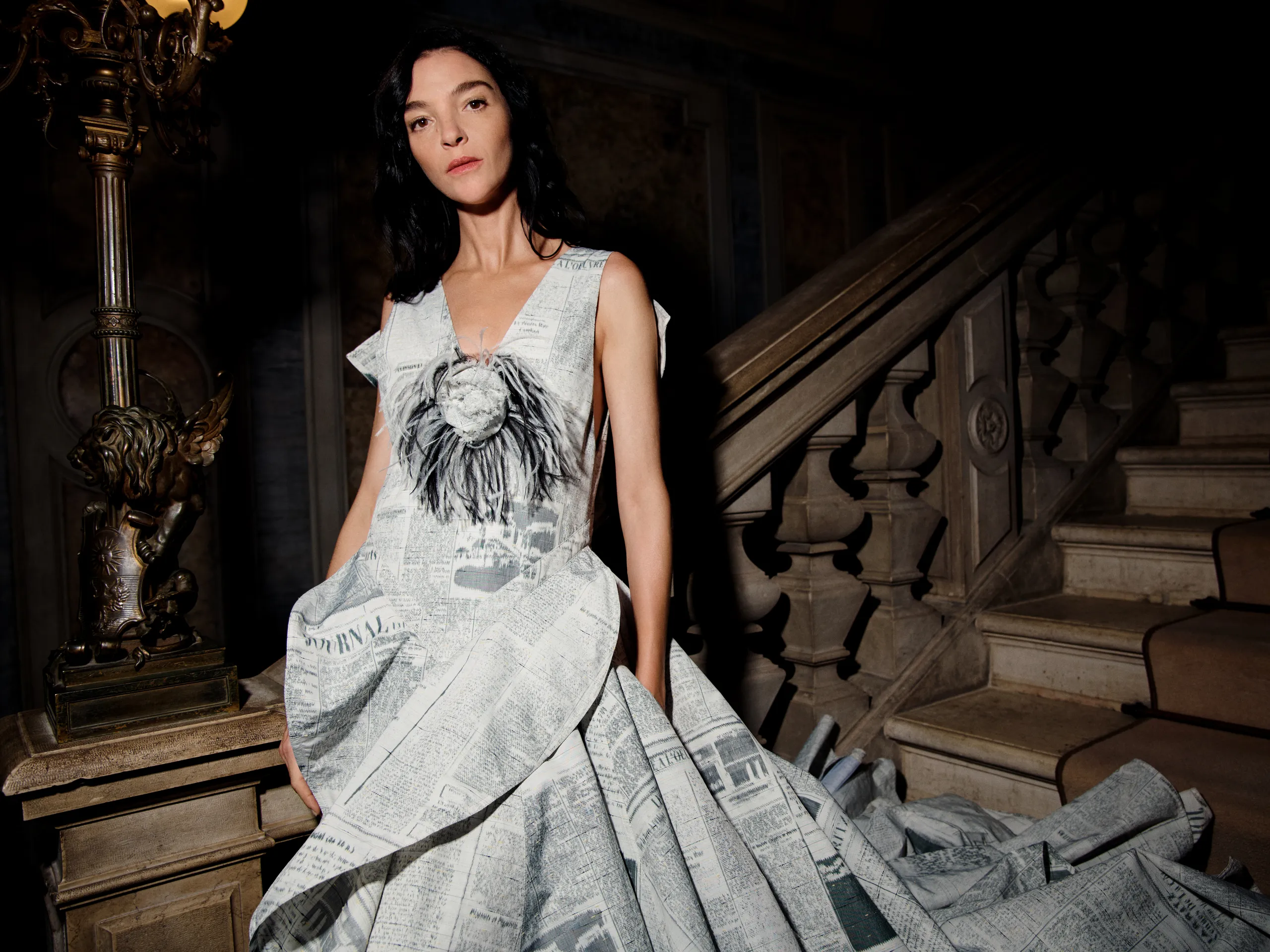
From bold costume changes to quietly confident looks, the desert once again proved that fashion is part of the performance.

There’s something about Coachella that goes beyond music. Every year, it becomes a snapshot of culture in motion—a place where sound, image, and identity all collide in real time. In 2026, while conversations continue to swirl around performances, surprise appearances, and viral clips, the fashion emerging from the festival stands strong on its own. Because if there’s one thing Coachella consistently delivers, it’s unforgettable style.
Over the years, the festival has transformed into a global stage not just for artists, but for fashion itself. What once felt like a carefree mix of bohemian staples has evolved into something far more layered. Today, Coachella is where artists test new aesthetics, experiment with silhouettes, and use clothing as an extension of their performance. This year, that idea felt more pronounced than ever, with a wide range of looks that reflected individuality rather than a single dominant trend.

At the forefront of the fashion conversation was Sabrina Carpenter, who approached her headlining set with a clear emphasis on transformation. Working with Dior, she presented a series of custom looks that elevated her performance into something visually immersive.
She opened in a shimmering sequined mini dress, its reflective surface catching the desert light with every movement. The addition of flowing chiffon sleeves brought softness and motion, creating a striking contrast against the structured silhouette. As the set unfolded, she transitioned into a bold red mini dress that instantly shifted the mood, followed by a crisp white two-piece that offered a moment of visual clarity. A delicate lace bodysuit completed the lineup, showcasing intricate detailing and reinforcing her ability to blend glamour with performance. Each outfit felt like a new chapter, adding depth to the overall experience.

On the other end of the spectrum, Justin Bieber leaned into simplicity in a way that felt almost disruptive. In a festival environment known for excess, his understated look stood out precisely because it didn’t try too hard. He took the stage in an oversized pink hoodie from his brand Skylrk, paired with loose-fitting shorts by Lu’u Dan.
The outfit was grounded by chunky boots from Loewe, adding a subtle edge without overpowering the relaxed feel. Midway through his set, he removed the hoodie to reveal a cropped gray tee—a small but noticeable change that served as his version of a reveal. It was minimal, but intentional, proving that fashion doesn’t always need to be loud to be effective.

Meanwhile, Karol G delivered one of the most visually dynamic performances of the weekend. Known for her bold and colorful style, she embraced the opportunity to showcase multiple looks that played with texture and movement. One of her standout moments came in a custom set by Etro, featuring a tassel-adorned skirt that moved effortlessly with her choreography.
She elevated the look with a dramatic feathered headpiece from Luar, adding height and theatricality, while boots from Shoe Lab grounded the ensemble. Later, she transitioned into a gold-heavy outfit by Michael Schmidt Studios, layering chains across her body to create a shimmering, almost sculptural effect. The way the outfit interacted with light turned her into a moving focal point, reinforcing the connection between fashion and performance.

Addison Rae also leaned into the power of contrast. She began her set in a structured gray corseted dress by Miss Claire Sullivan, complete with a soft tulle skirt that added volume and movement. The look felt composed and elegant, setting the stage for a dramatic shift.
In a quick onstage transformation, she removed the dress to reveal a bold red latex set by Agent Provocateur. The contrast between the two looks created a strong visual narrative, moving from softness to intensity in seconds. She completed the transformation with a matching hat by Ruslan Baginskiy, adding a playful yet polished finishing touch.

Color remained a key theme throughout the festival, and Becky G brought that energy to the stage during her appearance alongside Karol G. Her vibrant green and blue ensemble featured fishnet pants paired with a beaded top that shimmered under the lights. It was a look that felt celebratory and bold, perfectly in sync with the high-energy performance.
Beyond these standout moments, Coachella 2026 offered a diverse range of fashion perspectives. Artists like Sombr and Katseye contributed to the festival’s visual identity, each bringing their own interpretation of style. Some leaned into high-fashion aesthetics, while others embraced relaxed, streetwear-inspired looks. This variety is what makes Coachella such a compelling fashion space—it allows for creativity without limits.
What stands out most about this year’s fashion is its sense of individuality. There’s no single trend dominating the conversation, no uniform approach to dressing. Instead, there’s a mix of ideas, influences, and expressions, all coexisting in the same space. This freedom is what keeps Coachella relevant—not just as a music festival, but as a cultural moment.
As the festival continues to evolve, its impact on fashion becomes increasingly clear. The looks seen on stage don’t just stay in the desert; they ripple outward, shaping trends and inspiring new directions. Coachella 2026 is a reflection of that influence—a moment where style becomes part of the story, not just an accessory to it.
In the end, while the music may fade, the images remain. And in those images, fashion takes center stage—bold, expressive, and impossible to ignore.