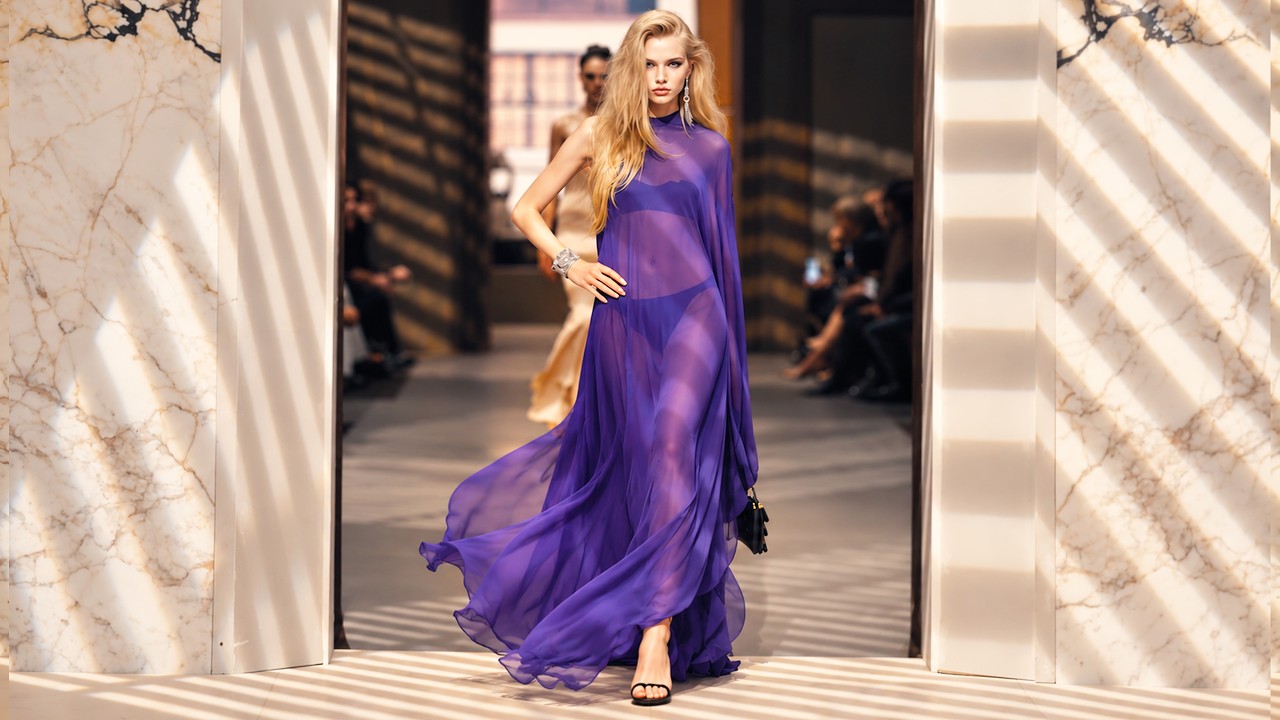
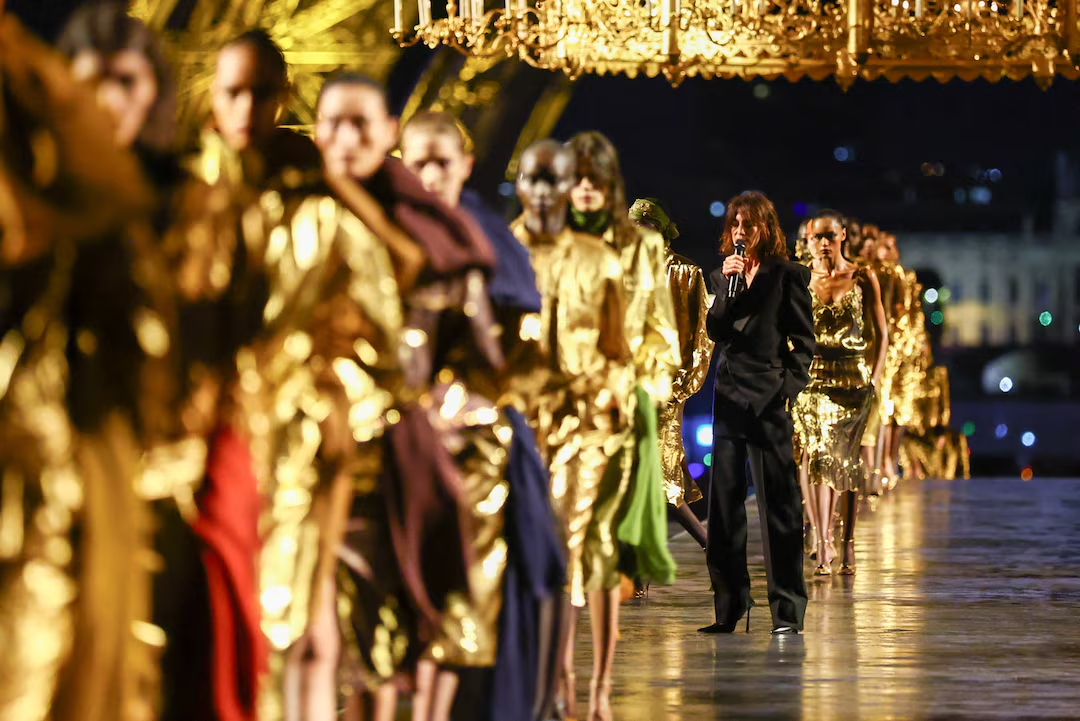
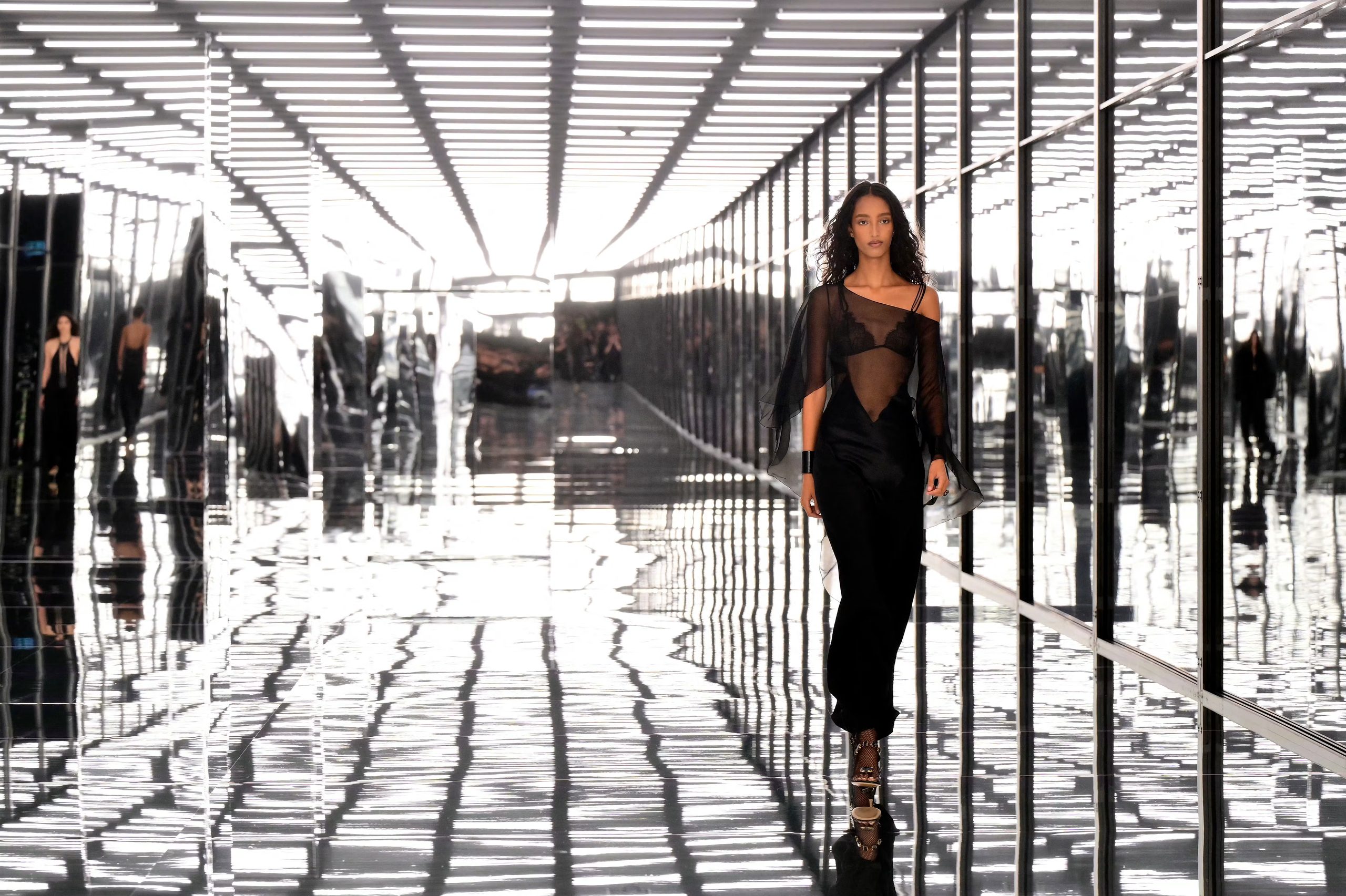
This season, Milan Fashion Week feels less like routine and more like a defining moment in fashion.

The city is abuzz with new creative leadership, emotional farewells, and a vibrant energy that reinforces Milan’s importance on the global fashion stage. From Demna’s subtle debut at Gucci to Louise Trotter’s highly awaited showcase for Bottega Veneta, Spring/Summer 2026 is already shaping up to be a season to remember.
The week began on 23 September with Demna presenting a nontraditional start at Gucci: instead of a runway show, guests were treated to The Tiger, a short film directed by Spike Jonze and Halina Reijn. The following day, Simone Bellotti stepped into the spotlight at Jil Sander, taking over from Luke and Lucie Meier after their decade-long leadership. Later in the week, Dario Vitale made his bold debut for Versace, and last night, Louise Trotter unveiled her first collection for Bottega Veneta, establishing herself as one of the few female voices in the year’s major creative reshuffles.
This season balances homage with innovation. While Milan welcomes new creative direction at its most iconic houses, it also prepares to honor Giorgio Armani’s extraordinary legacy. S/S 2026 highlights Milan as both a guardian of fashion tradition and a hub of reinvention.
Amid the excitement, there is a tender note: Armani, who passed away earlier this month at 91, will be celebrated with a closing tribute show, honoring a designer who profoundly shaped Italian style for generations.
Dolce & Gabbana

The Metropol Theatre became a lavish pyjama-themed runway on Saturday. Audiences were thrilled when the cast of The Devil Wears Prada sequel — including Meryl Streep, Stanley Tucci, and newcomer Simone Ashley — appeared in character in the front row, generating buzz and even a rare smile from Anna Wintour.
On the catwalk, Dolce & Gabbana extended their “Pyjama Boys” concept to womenswear. Striped sets were adorned with oversized crystals, while sheer robes, lace bodysuits, and lingerie-inspired silhouettes added a sensual edge. Footwear ranged from plush slippers to towering stilettos. Meryl Streep’s knowing smirk confirmed the show’s theatricality and faithful adherence to the brand’s signature style.
Versace

Dario Vitale’s debut for Versace transformed the Pinacoteca Ambrosiana into what looked like the aftermath of an extravagant night: unmade beds, scattered glasses, and ashtrays set the scene.
The collection reflected this mood: low-back mini dresses revealed glimpses of lingerie, oversized tailoring arrived in bold colors, and baroque prints mingled with metallic chainmail-inspired pieces. Vitale did not directly replicate Gianni Versace’s archive but instead captured the founder’s rebellious, glamorous spirit. “It’s about the feeling of Gianni, not just the clothes,” he said backstage. The show was both audacious and respectful — a confident start for the house’s new chapter.
Max Mara

Ian Griffiths drew inspiration from Madame de Pompadour, the influential and witty muse of Louis XV. The “Rococo Modern” S/S 2026 collection combined 18th-century opulence with Max Mara’s refined minimalism.
The runway featured trench coats with exaggerated “corona” sleeves, dresses adorned with floating organza petals, and floral brocades softened by sharp tailoring. Hair pulled back with black bands echoed Pompadour’s signature coiffure. The overall effect was intelligent, wearable, and quietly commanding — quintessential Max Mara.
Prada

Miuccia Prada and Raf Simons’s latest womenswear collection at the Fondazione Prada explored the tension between uniformity and individuality in today’s algorithm-driven world. Stripping back the set to a stark orange-lacquered floor, the designers framed their vision around the idea of the uniform, reimagined as a source of protection, neutrality, and even elegance. Structured shirts and pleated trousers met playful details like jewel-toned earrings and mock-croc handbags, while flashes of glamour—opera gloves, crystals, and sculptural taffeta—broke through the sobriety. Skirts spliced with ruffles and pleats, as well as draped tops, embodied the designers’ pursuit of “shape without structure.” Ultimately, the collection embraced adaptability and autonomy, offering women the freedom to compose their own identities through clothing, moving away from rigid forms toward a vision of liberation both physical and psychological.
Fendi

Silvia Venturini Fendi brought energy and optimism in her second season leading both men’s and womenswear. The show, set against Marc Newson’s colorful block backdrop, evoked a “future summer,” blending nostalgia with modern playfulness.
Standout pieces included pleated skirts with toggle closures, sheer sweatsuits trimmed in shearling, and oversized woven totes in vivid primary shades. The iconic “Peekaboo” bag returned with a sparkling sequin-lined interior. The collection was eclectic, fun, and luxurious — a perfect example of Fendi’s ability to balance whimsy and sophistication.